
How to Write a Disposable Syringe Tender Specification: ISO 7886-1 Checklist
A weak syringe tender says only “sterile disposable syringe, CE, best quality.” That wording allows materially different products to qualify and makes bids difficult to compare. A useful specification defines the intended syringe family, configuration, applicable standards, evidence required at bid stage, lot-release documents and commercial delivery terms.
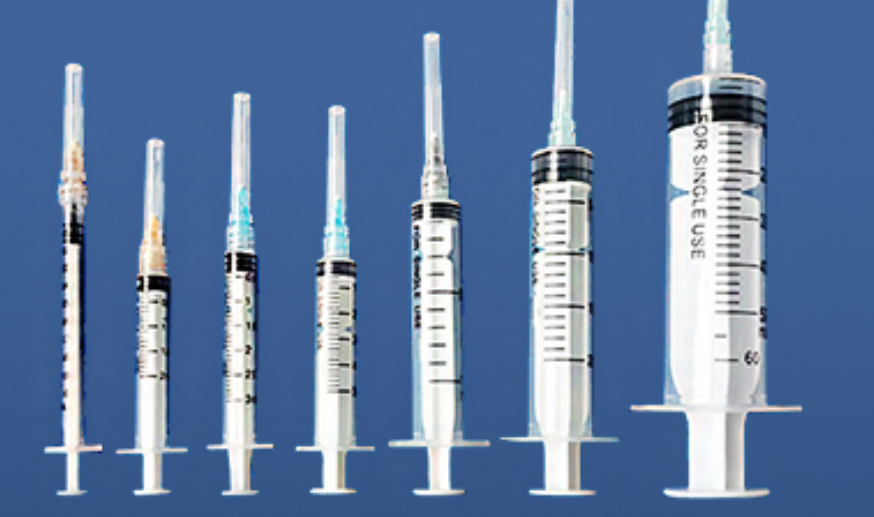
1. Define the tender scope before writing specifications
First determine whether the purchase is for a standard manually operated hypodermic syringe. ISO 7886-1 does not cover insulin syringes, power-driven syringe-pump syringes, manufacturer-prefilled syringes, single-use glass syringes or syringes intended to store medication after filling. Auto-disable, reuse-prevention, safety-engineered and enteral syringes also require their own applicable standards and specifications. Do not place all of these products under one generic line item.
2. Copy-ready baseline specification
Example baseline wording
- Sterile, single-use, manually operated hypodermic syringe, empty, for immediate aspiration and injection after filling by the end user.
- Nominal capacity: [1/3/5/10/20/50/60 mL]; construction: [two-part/three-part]; tip: [centric/eccentric]; connector: [Luer slip/Luer lock].
- Supplied [without needle / with sterile needle of specified gauge and length]. Individually packed in a validated sterile barrier system.
- Syringe to conform to ISO 7886-1:2017 or a later edition accepted by the destination regulator; connector to ISO 80369-7:2021 where applicable; supplied needle to ISO 7864:2016.
- EO-sterilized product: sterilization process validation and routine control to the applicable recognized edition of ISO 11135; EO/ECH residual evaluation to ISO 10993-7:2026.
- Manufacturer shall declare shelf life, storage conditions, materials, latex status, sterilization method, country registrations and every deviation from this specification.
3. Standards matrix for a standard manual syringe
Use only the standards that match the offered configuration. The edition cited below reflects the status checked on 19 August 2026; the buyer must verify the edition recognized by the destination regulator before publishing the tender.
| Standard | Purpose in the tender |
|---|---|
| ISO 7886-1:2017 | Manual, empty, sterile single-use hypodermic syringes; excludes insulin, pump, prefilled and certain other syringe families. |
| ISO 80369-7:2021 | Dimensions and functional performance of small-bore connectors for intravascular and hypodermic applications. |
| ISO 7864:2016 | Requirements and test methods for sterile single-use hypodermic needles when a needle is supplied. |
| ISO 11135:2014 + Amd 1:2018 | Development, validation and routine control of ethylene oxide sterilization; a replacement edition was still in final-draft development when this guide was reviewed. |
| ISO 10993-7:2026 | Allowable limits and measurement framework for EO and ECH residuals in EO-sterilized devices. |
| ISO 11607-1:2019 + Amd 1:2023 | Sterile-barrier and packaging-system requirements for terminally sterilized medical devices. |
| ISO 15223-1:2021 + Amd 1:2025 | Symbols used with information supplied for medical devices. |
| ISO 20417:2026 | General requirements for manufacturer-supplied identification, labels, packaging information and accompanying documentation. |
4. Product configuration fields that must be explicit
- Nominal capacity and permitted alternative capacity, if any
- Two-part or three-part construction; gasket/elastomer material for three-part syringes
- Centric or eccentric nozzle position
- Luer slip or Luer lock connector
- With or without needle; fixed or detachable needle
- Needle gauge, nominal outside diameter, length and bevel where supplied
- Graduation unit, smallest graduation interval and scale orientation
- Transparent barrel, plunger colour and any required contrast
- Sterile single unit, multipack or non-sterile bulk format
- Intended market, registration holder, brand and OEM/private-label status
5. Performance and workmanship requirements
Do not reduce technical acceptance to appearance alone. Require evidence covering graduated capacity, scale legibility and permanence, barrel and plunger fit, freedom of movement, leakage under the applicable test conditions, connector performance, cleanliness and other characteristics within the product standard. Ask for the test-report identification, laboratory, tested model and report date. A report for a different capacity or connector should not be assumed representative without a documented rationale.
6. Connector and needle specification
If the syringe is supplied with a needle, make the needle a controlled part of the SKU. State gauge or metric outside diameter, length, bevel where relevant, hub connection, colour coding, protective sheath and whether the needle is fixed or detachable. Reference ISO 7864 for the needle and ISO 80369-7 for applicable Luer connections. Do not write “needle included” without these fields.
7. Materials and biological safety documentation
- Declare materials for barrel, plunger, gasket, lubricant, connector and supplied needle components
- State whether natural rubber latex is present in the device or packaging; avoid an unsupported “latex-free” claim
- Provide biological-evaluation evidence appropriate to the device, contact type and destination regulation
- Identify colourants, additives or material changes that differ from the registered configuration
- Require change notification before altering critical raw materials, sterilization site, mould, packaging or label
8. Sterilization, residuals and shelf life
- State the required sterile or non-sterile condition and sterilization method
- For EO, request sterilization validation summary, routine release approach and current sterilization-site details
- Request EO/ECH residual evidence to the current applicable ISO 10993-7 edition
- State the claimed shelf life and minimum remaining shelf life on arrival—not only at factory release
- Request real-time or justified stability evidence plus packaging validation supporting the claim
- Define storage temperature, humidity or light restrictions only when supported by the registered label
9. Sterile barrier, label and shipping carton
- Individual sterile barrier format and material, such as blister or peel pouch
- Peel direction, package integrity, legibility and protection from accidental opening
- Unit label fields: product name, capacity, connector, needle specification, sterile status, single-use symbol, lot, manufacture/expiry dates and manufacturer identification as applicable
- Destination-language label and IFU requirements; importer or authorized-representative information where legally required
- Units per inner box and export carton, carton dimensions, gross/net weight, barcode/UDI requirements and palletization
- Packaging artwork approval process and prohibition on production before written artwork sign-off
10. Documents to request at bid and shipment stages
Bid-stage file
- ISO 13485 certificate with scope, site, issuer and validity
- Product registration, market authorization or classification evidence required by the destination
- Declaration of conformity or equivalent manufacturer declaration, where applicable
- ISO 7886-1 and connector/needle test reports mapped to the offered SKU
- Sterilization, EO residual, biological evaluation, packaging and shelf-life summaries
- Product specification, labelled sample artwork and completed deviation schedule
- Manufacturer authorization for the bidder/importer where required
Shipment-stage file
- Commercial invoice, packing list, bill of lading or air waybill and certificate of origin as contracted
- Batch certificate or certificate of analysis/conformity identifying shipped lots
- Sterilization release evidence or certificate for shipped lots, as agreed
- Final inspection report, carton/pallet list and loading photographs
- Any Free Sale Certificate, legalization or shipment-specific document required by the importing country
- Traceable record linking purchase order, production lot, sterilization lot and finished-goods release
11. Lot inspection and acceptance plan
ISO 7886-1 itself does not provide lot-release requirements. The tender therefore needs a separate sampling and acceptance plan: inspection level, AQL or other agreed method, defect classification, sample-selection authority, tests performed before shipment, reinspection rules and responsibility for failed lots. Define critical defects such as loss of sterile-barrier integrity separately from major cosmetic or printing defects. The plan must be agreed before production, not after a dispute.
12. Commercial fields importers should not omit
- Quantity by SKU and whether partial shipment is permitted
- Incoterm and named port/place; never write FOB or CIF without the location
- MOQ per capacity, connector and private-label artwork
- Sample approval, first-article approval and production lead time starting point
- Unit, inner-box and export-carton packing quantities
- Required remaining shelf life at arrival
- Inspection booking window and remedies for nonconforming goods
- Change-control notice period and continuity of regulatory documents
- Quotation validity, payment milestones and responsibility for bank, legalization and inspection fees
13. Common tender mistakes
- Using “CE certified” as a substitute for a product specification
- Requesting ISO 7886-1 for insulin, pump, prefilled or enteral syringes without the correct specialty standard
- Failing to distinguish Luer slip from Luer lock or centric from eccentric tip
- Allowing “with needle” without gauge, length and attachment details
- Requesting certificates without matching the manufacturer name, site and exact offered SKU
- Setting shelf life at manufacture instead of minimum remaining shelf life at destination
- Omitting deviations, change notification, lot inspection and document-delivery deadlines
- Writing brand-specific language where a performance-based specification is required
14. Frequently asked questions
Is ISO 7886-1 certification enough to buy disposable syringes?
No. ISO 7886-1 addresses design requirements and test methods for a defined syringe family; it is not a complete market authorization, supplier qualification or lot-release system. Buyers still need destination-market compliance, quality-system evidence, sterility and packaging documentation, and an agreed lot-acceptance plan.
Does ISO 7886-1 apply to insulin syringes?
No. The ISO 7886-1 scope excludes insulin syringes, which are covered by ISO 8537. They should be a separate tender line with unit scale, needle and insulin-specific requirements.
Should a tender say latest edition of ISO 7886-1?
Only if procurement rules and the destination regulator can manage edition changes. A safer approach is to cite the currently accepted edition and allow a later recognized edition subject to documented equivalence and regulatory acceptance.
What documents should be submitted with the bid?
At minimum, request the product specification, deviation schedule, applicable registration evidence, ISO 13485 certificate and test/validation evidence mapped to the exact product family. Shipment-specific batch and sterilization records come later.
How should remaining shelf life be specified?
State the minimum remaining shelf life required when the goods arrive at the named destination or pass contractual acceptance. This avoids receiving newly manufactured goods that have lost months during production, legalization and ocean freight.
Can one line item cover Luer lock and Luer slip syringes?
It is better to separate them or require separately priced variants. Connector type changes the SKU, compatibility and often the user workflow; mixing both under one price line makes bid comparison and registration checks harder.
15. Final RFQ checklist
A complete RFQ should let two qualified factories quote the same product without guessing. Send capacity, construction, tip position, connector, needle option, packaging, annual quantity, destination market and regulatory-document list. Require a completed compliance matrix showing Comply / Deviate / Not Applicable against every clause.
Request a syringe tender quotation
Disposable Syringe Tender Specification | ISO 7886-1
Request a syringe tender quotation